
9 Mar 2026
The FDC project conducts complex integrated small-scale flight research to validate the benefits of new technologies.
By modifying aircraft from FDC’s support fleet, the project enables aggressive, success-oriented flight campaign schedules. While many technologies are at mid-levels of technology readiness, the FDC project supports all phases of technology maturation.
FDC’s support aircraft fleet enables safety chase and in-flight experimental measurements for a variety of NASA missions.
The project collaborates with academia, industry, and government organizations to leverage flight opportunities, and engages with NASA researchers and university students to bring innovative concepts to flight.
The FDC project operates, sustains, and enhances other national flight research capabilities that enable complex high-risk flight research for both NASA and the aviation industry.
These capabilities are located at NASA’s Armstrong Flight Research Center at Edwards, California, and includes the Aeronautics Test Data Portal, Flight Loads Laboratory, the Dryden Aeronautical Test Range, and a suite of flight simulators.
The project leverages collaborative opportunities for flight testing from across the aeronautical industry.
[Image]
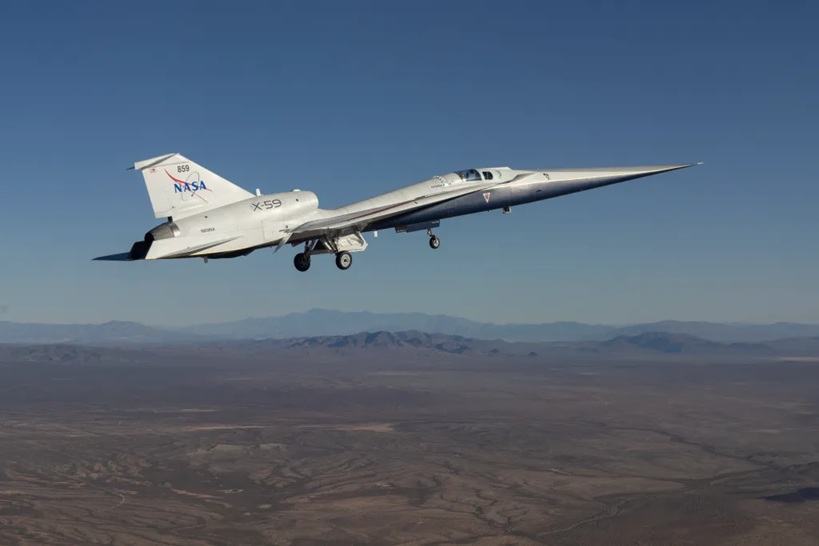
NASA’s X-59 quiet supersonic research aircraft lifts off for its first flight Tuesday, Oct. 28, 2025, from U.S. Air Force Plant 42 in Palmdale, California. The aircraft’s first flight marks the start of flight testing for NASA’s Quesst mission, the result of years of design, integration, and ground testing and begins a new chapter in NASA’s aeronautics research legacy.